
How Latest Technology Trends 2026 Are Shaping Everyday Life
Introduction: A Rapidly Evolving Digital World
Technology in 2026 is no longer something we only see in science fiction or high-end industries—it is deeply integrated into our daily routines. From the way we wake up in the morning to how we work, shop, travel, and even take care of our health, the latest technology trends are transforming everyday life in powerful and practical ways. Artificial intelligence, smart devices, automation, and immersive digital experiences are no longer optional; they are becoming essential parts of modern living.
This article explores how the latest technology trends in 2026 are reshaping daily life and influencing the way people interact with the world around them.
Artificial Intelligence in Everyday Activities
Artificial Intelligence (AI) has become one of the most influential forces in 2026. It is no longer limited to advanced research or big tech companies; it is now part of everyday tools and services.
AI-powered assistants help people manage their schedules, answer questions, and even make decisions based on personal habits. Smart recommendation systems suggest what to watch, read, or buy based on individual preferences. In homes, AI manages energy usage, security systems, and even food inventory.
In workplaces, AI helps automate repetitive tasks, analyze data, and improve productivity. This allows employees to focus more on creative and strategic work rather than routine operations. Overall, AI is making life faster, easier, and more efficient.
Smart Homes Becoming the New Normal
One of the most noticeable changes in daily life is the rise of smart homes. In 2026, homes are increasingly equipped with interconnected devices that communicate with each other.
Smart thermostats adjust room temperatures automatically based on weather and personal comfort. Intelligent lighting systems respond to movement and natural light levels. Voice-controlled assistants manage everything from playing music to locking doors.
Security systems have also become more advanced, using facial recognition and real-time alerts to ensure safety. These smart home technologies not only improve convenience but also enhance energy efficiency and security, making modern living more comfortable and sustainable.
The Rise of Wearable Technology and Health Monitoring
Health and fitness have also been transformed by technology trends in 2026. Wearable devices such as smartwatches, fitness bands, and health trackers are now capable of monitoring a wide range of health indicators.
These devices track heart rate, sleep patterns, oxygen levels, and physical activity in real time. Some advanced wearables even detect early signs of illness and provide health recommendations before symptoms become serious.
This shift toward preventive healthcare allows individuals to take better control of their well-being. Instead of reacting to health problems, people can now focus on preventing them through continuous monitoring and data-driven insights.
Transportation and the Future of Mobility
Transportation is another area where technology is making a huge impact. In 2026, electric vehicles (EVs), autonomous driving systems, and smart traffic management solutions are changing how people move from one place to another.
Self-driving cars are becoming more common in urban areas, reducing human error and improving road safety. Electric vehicles are gaining popularity due to their environmental benefits and lower running costs.
Additionally, smart navigation systems analyze real-time traffic data to suggest the fastest and most efficient routes. Public transportation systems are also becoming more connected and efficient, reducing travel time and improving user experience.
Education in the Digital Age
Education has undergone a major transformation due to technological advancements. In 2026, digital learning platforms and virtual classrooms are widely used across schools, colleges, and professional training programs.
Students can now access interactive learning materials, virtual simulations, and AI-powered tutoring systems. These tools help personalize education based on individual learning speeds and styles.
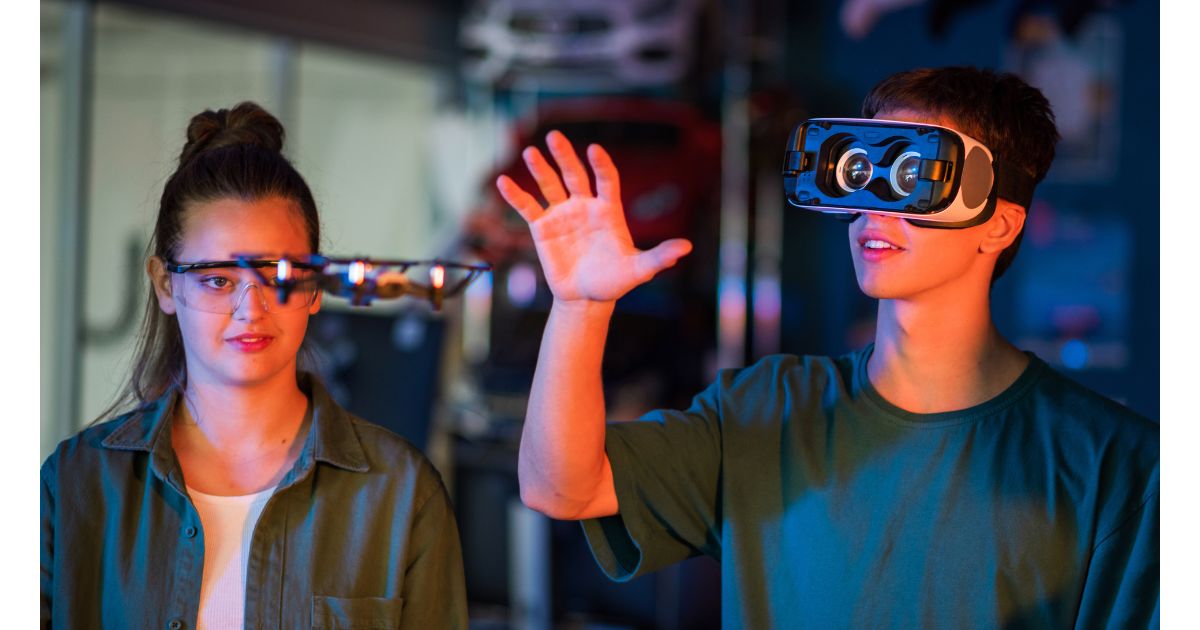
Virtual reality (VR) and augmented reality (AR) are also being used to create immersive learning experiences. For example, students can explore historical events, scientific concepts, or distant places without leaving the classroom.
This shift has made education more accessible, flexible, and engaging than ever before.
E-Commerce and the Future of Shopping
Shopping habits have also evolved significantly due to technology trends. In 2026, e-commerce platforms use AI and data analytics to offer highly personalized shopping experiences.
Customers receive product recommendations based on browsing history, preferences, and even social media activity. Virtual try-on features allow users to see how clothing, accessories, or furniture will look before making a purchase.
Fast delivery systems powered by automation and drones are also improving customer satisfaction. As a result, shopping has become more convenient, efficient, and tailored to individual needs.
Communication and Social Connectivity
Communication has become faster, more immersive, and more interactive in 2026. Advanced messaging platforms now support real-time translation, making global communication easier than ever.
Video calls have evolved with holographic and augmented reality features, allowing people to interact in more realistic virtual environments. Social media platforms are also using AI to create personalized content feeds, helping users stay connected with what matters most to them.
These innovations are bringing people closer together, regardless of geographical distance.
Environmental Impact and Sustainable Technology
Sustainability is a key focus of modern technology trends. In 2026, many innovations are designed to reduce environmental impact and promote green living.
Smart energy systems optimize electricity usage in homes and businesses. Renewable energy sources like solar and wind are being integrated with advanced storage solutions. AI also helps monitor pollution levels and predict environmental changes.
These technologies are not only improving efficiency but also helping create a more sustainable future for the planet.
Conclusion: A Smarter and More Connected Future
The latest technology trends in 2026 are fundamentally reshaping everyday life. From AI-powered assistants and smart homes to advanced healthcare, transportation, and education systems, technology is becoming deeply integrated into human experiences.
While these advancements bring convenience, efficiency, and improved quality of life, they also require responsible use and awareness. As technology continues to evolve, the key lies in balancing innovation with ethical and sustainable practices.
One thing is clear: the future is not approaching—it is already here, and it is transforming the way we live every single day.