
The Future of Gaming: How Technology Is Redefining Player Experiences
Introduction
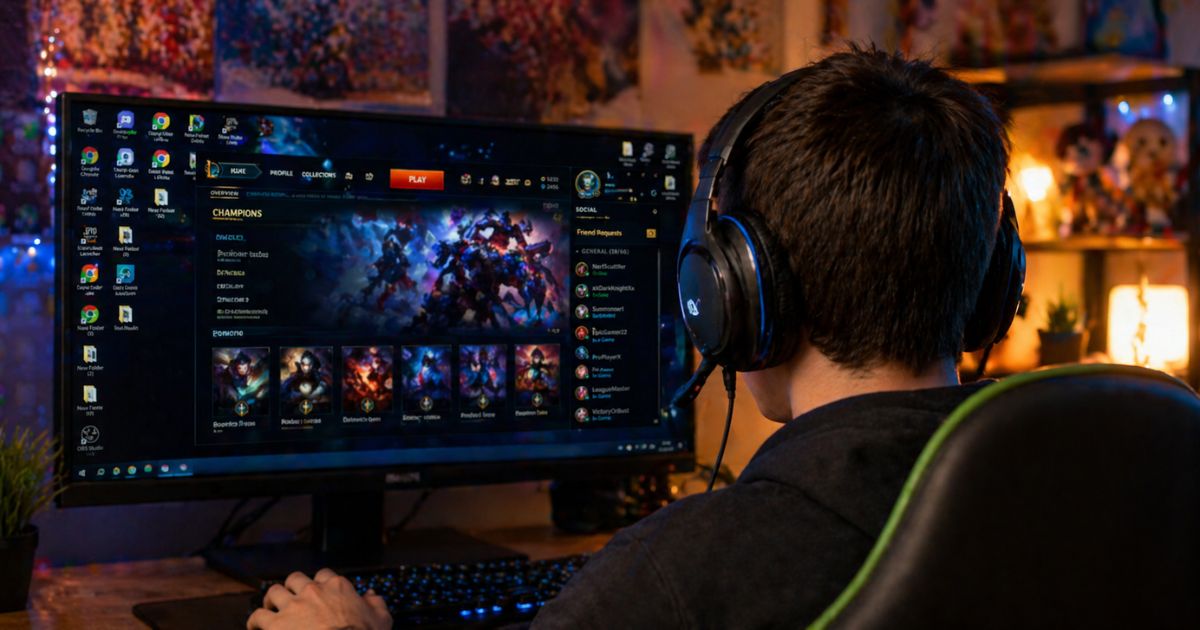
Gaming has evolved far beyond simple entertainment on a screen. Today, it stands at the intersection of technology, storytelling, creativity, and social interaction. With rapid advancements in artificial intelligence, virtual reality, cloud computing, and immersive design, the future of gaming is being reshaped in ways that were unimaginable just a decade ago.
What was once limited to consoles and arcade machines is now a vast global ecosystem where players can explore virtual worlds, compete in real-time tournaments, and even earn a living through gameplay. This transformation is redefining what it means to be a “gamer” in the modern world.
The Rise of Immersive Gaming Technologies
One of the biggest drivers of change in the gaming industry is immersion. Developers are no longer focused only on graphics—they are building experiences that feel real, emotional, and interactive.
Virtual Reality (VR) and Augmented Reality (AR)
Virtual Reality places players directly inside a digital environment, allowing them to look around, move, and interact naturally. Games like VR-based simulations and adventure titles are becoming increasingly realistic.
Augmented Reality, on the other hand, blends digital elements with the real world. It transforms everyday surroundings into interactive playgrounds, creating a hybrid experience that connects physical and virtual spaces.
Together, VR and AR are pushing gaming toward a future where the boundaries between reality and imagination become blurred.
Artificial Intelligence: Smarter Worlds and Smarter Opponents
Artificial Intelligence (AI) is revolutionizing how games are designed and played. Instead of predictable patterns, modern AI creates dynamic environments that respond to player behavior.
Key improvements include:
- Non-player characters (NPCs) with realistic decision-making
- Adaptive difficulty levels that adjust to player skill
- Personalized storylines based on gameplay choices
- Intelligent game testing and bug detection during development
This makes gaming experiences more engaging, unpredictable, and lifelike. AI ensures that no two gameplay sessions feel exactly the same.
Cloud Gaming: The End of Hardware Limitations
One of the most transformative shifts in the gaming industry is the rise of cloud gaming. Instead of relying on expensive consoles or high-end PCs, players can now stream games directly from powerful servers.
This innovation brings several advantages:
- No need for physical game installations
- Access to high-quality games on low-end devices
- Instant updates and seamless gameplay
- Cross-platform compatibility
Cloud gaming is democratizing access to high-performance gaming, making it available to a much wider global audience. As internet speeds continue to improve, this trend is expected to dominate the future of gaming.
The Growth of Multiplayer and Social Gaming
Gaming is no longer a solo activity. Modern games are built around community, competition, and collaboration. Multiplayer experiences have become the heart of the industry.
Players now engage in:
- Massive online battle arenas
- Cooperative missions with global teammates
- Real-time voice communication and teamwork
- Social hubs within games where players interact
This shift has turned gaming into a social platform where friendships are formed, communities are built, and global competitions take place.
Esports: Turning Gaming Into a Professional Career
Esports has transformed gaming into a legitimate profession. Competitive gaming tournaments now attract millions of viewers and offer prize pools worth millions of dollars.
Esports has introduced:
- Professional gaming teams and leagues
- Sponsorships from global brands
- Live-streamed tournaments with stadium audiences
- Career opportunities for players, coaches, and analysts
What was once considered a hobby is now a full-fledged career path for many young players around the world. Esports continues to grow as a major segment of the entertainment industry.
The Role of Artificial Reality and Metaverse Gaming
The concept of the metaverse is pushing gaming into a new digital era. In these interconnected virtual spaces, players can:
- Create digital identities
- Own virtual assets
- Participate in shared online worlds
- Engage in economic activities within games
Metaverse gaming is not just about playing—it is about living inside a digital ecosystem where entertainment, work, and social interaction coexist.
Mobile Gaming: The Global Powerhouse
Mobile gaming has become the most accessible and widespread form of gaming globally. With smartphones becoming more powerful, mobile games now rival traditional console experiences in quality and complexity.
Its success is driven by:
- Easy accessibility for all age groups
- Free-to-play models with optional purchases
- Short, engaging gameplay sessions
- Global reach across developing and developed countries
Mobile gaming has played a key role in making gaming a universal form of entertainment.
The Impact of Blockchain and Digital Ownership
Blockchain technology is introducing new possibilities in gaming through digital ownership. Players can now truly own in-game assets such as skins, weapons, and characters through blockchain-based systems.
This has led to:
- Secure and transparent digital transactions
- Player-owned economies within games
- Tradeable in-game items with real-world value
- New earning opportunities through gameplay
Although still evolving, blockchain gaming is reshaping how value is created and shared in virtual environments.
Challenges Facing the Future of Gaming
Despite rapid growth, the gaming industry also faces challenges:
- Concerns over gaming addiction
- Privacy and data security risks
- High development costs for advanced technologies
- Accessibility gaps in regions with limited internet infrastructure
Developers and policymakers are working together to create a balanced ecosystem that ensures responsible and inclusive gaming growth.
Conclusion
The future of gaming is being shaped by a powerful combination of technology, creativity, and global connectivity. From AI-driven worlds and immersive VR environments to cloud gaming and metaverse ecosystems, the industry is evolving at an unprecedented pace.
Gaming is no longer just a form of entertainment—it is becoming a digital lifestyle, a social platform, and a professional industry all in one. As technology continues to advance, the player experience will become more immersive, interactive, and limitless than ever before.
The journey ahead promises a world where gaming is not just played—but truly lived.